
The Thrill of Uncertainty
One of the primary psychological drivers behind casino gambling is the thrill associated with uncertainty and unpredictability. Gamblers often find themselves captivated by the mere prospect of a win, which triggers an adrenaline rush that can be quite addictive. This excitement emerges from the unknown outcomes of each game; whether it’s the spinning of a slot machine or the rolling of dice, the anticipation can be exhilarating. The element of chance resonates deeply with human psychology, making it a challenge for many to resist the allure of potentially striking it rich through online pokies payid experiences. The excitement of not knowing what will happen next can lead individuals to seek out these experiences repeatedly.
The uncertainty experienced in gambling environments is further amplified by the phenomenon known as near misses. This occurs when players come tantalizingly close to winning yet do not actually achieve a reward. It is notably prevalent in slot machines, where players may witness symbols almost lining up in a winning combination. Such experiences can intensify a gambler’s urge to continue playing, as they often believe that victory is imminent, despite the odds being stacked against them. This deceptive sense of being on the verge of success can perpetuate a cycle of play that is hard to break, creating a compelling reason to keep betting even when losses accumulate.
The combination of thrill and near misses contributes to a psychological state where gamblers feel compelled to chase their losses. The belief that a win is just around the corner can lead to extended gambling sessions, as players rationalize that their persistence will eventually yield a successful outcome. This mindset can create a vicious cycle where individuals risk more than they can afford to lose, driven by the hope of hitting that elusive jackpot, which may never materialize. Such behavior underscores the importance of understanding the psychological factors at play in casino environments and how they can lead to risky decision-making.
The Role of Cognitive Biases
Cognitive biases significantly influence the psychology of gambling, affecting how individuals perceive risk and reward. One prevalent bias is the illusion of control, where gamblers mistakenly believe they can influence the outcome of a game, despite it being governed by chance. This illusion often leads to overconfidence, prompting players to engage more in skill-based games, like poker or blackjack, where they feel they have some degree of control. This faulty perception can lead to increased betting and risk-taking behaviors, as players may overestimate their abilities and underestimate the role of luck.
Another notable cognitive distortion is the gambler’s fallacy, which is the belief that past outcomes influence future results. For instance, a gambler might think that if a specific number hasn’t appeared in a while, it is ‘due’ to show up soon. This misconception encourages players to continue betting on what they perceive as favorable outcomes, despite each game round being independent. Such biases can cloud judgment, leading to irrational decisions and potentially significant financial losses. Understanding these biases is crucial for gamblers to navigate their experiences more effectively and recognize patterns in their thinking that may not align with reality.
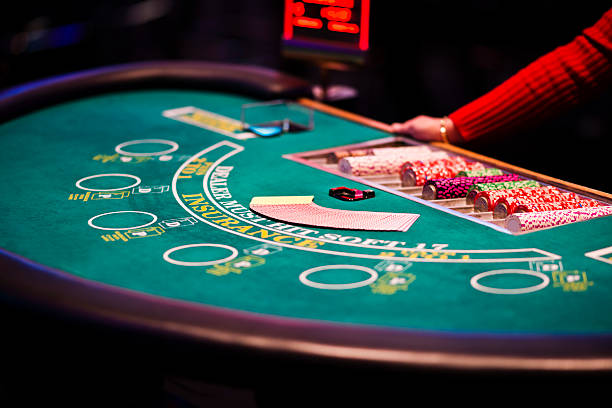
These cognitive distortions are often exacerbated in social gambling settings, where shared experiences and peer influence can encourage riskier behavior. The excitement and enthusiasm of others can amplify individual biases, making it easier to dismiss logical reasoning in favor of emotional impulses. By gaining insight into these cognitive biases, individuals can better manage their gambling habits and recognize when their perceptions are skewed. In turn, this self-awareness can help mitigate some of the negative consequences associated with gambling.
The Impact of Environment and Design
The environment of a casino plays a pivotal role in shaping the gambling experience and manipulating psychological responses. Casinos are meticulously designed to create a captivating atmosphere filled with sensory stimuli, including bright lights, engaging sounds, and vibrant colors. These elements are strategically curated to evoke excitement and keep players engaged, often distorting their perception of time and making it easy to lose track of hours spent gambling. This carefully crafted environment can lead to excessive gambling, as players become immersed in the experience and may forget about the responsibilities waiting outside the casino doors.
Moreover, the layout of casinos is designed to encourage prolonged play. Slot machines are typically clustered closely together, creating an inviting space that encourages players to keep gaming instead of taking breaks. The availability of drinks and food services is also strategically placed to minimize interruptions, allowing players to access refreshments without needing to step away from their games. This constant availability of stimuli contributes to a heightened state of excitement that can often lead to excessive gambling behaviors, as players find themselves unable to resist the pull of the next game.
Furthermore, the rewards structure in casinos reinforces this behavior. Many establishments implement loyalty programs and rewards systems to foster a sense of attachment and commitment to the casino. Players may receive bonuses or free play credits based on their gambling activity, which incentivizes them to return frequently. This strategy taps into the psychological principle of reciprocity, where individuals feel compelled to reciprocate the rewards they receive, further solidifying their gambling habits. By understanding these environmental influences, individuals can become more aware of their gambling behaviors and make conscious choices to engage responsibly.
The Emotional Roller Coaster of Gambling
The emotional landscape of gambling is complex, as players experience a wide range of feelings that can fluctuate dramatically. Winning can induce euphoric highs, while losing often results in disappointment or regret. This emotional roller coaster can be addictive, as many individuals seek to recapture the highs experienced during winning streaks. Unfortunately, the lows can lead to emotional distress, compelling individuals to gamble further in an attempt to avoid or alleviate negative feelings. This cycle can create a precarious balance where the pursuit of excitement overshadows the potential for harm.

Additionally, the social aspects of gambling can add layers to the emotional experience. For some, the act of gambling is enhanced in group settings, where shared victories can amplify personal joy. Conversely, witnessing others win can evoke feelings of jealousy or inadequacy, driving individuals to gamble more aggressively to prove themselves or achieve similar success. This social comparison can create a competitive environment that pushes players beyond their limits, increasing the risk of developing problematic gambling behaviors. Recognizing these social dynamics is essential for understanding the full emotional impact of gambling.
As gamblers navigate these emotional highs and lows, the risk of developing an addiction can become pronounced. The desire to escape negative emotions or recreate positive experiences can lead to reckless betting patterns. Understanding the emotional triggers associated with gambling is vital for individuals, as awareness of these psychological dynamics can empower them to make more informed choices about their gambling activities. This self-awareness can ultimately lead to healthier gambling practices and a more balanced approach to gaming.
Fostering Responsible Gambling Behavior
Understanding the psychology behind casino gambling is essential for promoting responsible gambling practices. By raising awareness of cognitive biases and emotional influences, individuals can empower themselves to make more informed decisions regarding their gambling activities. Education about the inherent risks and potential consequences of gambling can help players approach gaming with a clearer mindset, reducing the likelihood of developing unhealthy habits. Knowledge is a powerful tool in mitigating the risks associated with gambling, as it encourages individuals to think critically about their actions.
Moreover, promoting self-regulation is vital in fostering responsible gambling behaviors. Setting clear limits on both time and money spent at casinos can provide players with essential boundaries that encourage healthier gambling practices. Many casinos offer options for self-exclusion or setting deposit limits, which can assist individuals in maintaining control over their gambling impulses and minimizing the risk of developing problematic behaviors. This proactive approach can significantly impact an individual’s gambling experience, allowing them to enjoy gaming without falling into harmful patterns.
Support systems, whether through counseling services or peer support groups, can also play a crucial role in addressing the psychological aspects of gambling. By fostering open conversations about gambling experiences, individuals can share their journeys and strategies for maintaining control. This collective understanding can create a safer gambling environment, minimizing the potential negative impacts of gambling while still allowing individuals to enjoy the recreational aspects of casino gaming. Ultimately, fostering a culture of responsible gambling is essential for ensuring that individuals can engage in this activity safely and sustainably.